Seeds of a Different Kingdom
Mark’s Gospel wastes no time showing us who Jesus is. In the first three chapters, we see Him healing, freeing, and restoring. By chapter 4, two groups have begun following Him closely.
The first group is the crowd—ordinary people living under the crushing weight of Roman occupation. Many had once owned land or had the means to provide for their families, but Rome’s taxation system stripped it all away. Their lives were marked by poverty, longing, and the hope of a deliverer. They had been raised to expect a messiah like Moses—someone who would overthrow their oppressors and restore Israel. When Jesus arrived with authority in His voice and compassion in His hands, they saw in Him the political liberator they had been waiting for.
The second group was the Pharisees—men who had learned how to thrive within the Roman system. Rome allowed them to preserve religious order while political power remained firmly in Roman hands. They held status, wealth, and influence. To them, Jesus was a threat: a rabbi with undeniable potential who refused to fit their mold, who spent His time with the wrong people—the nobodies, the tax collectors, the sex workers, the drunks. In their eyes, Jesus could have been great… if only He would cooperate.
And so Jesus begins to speak in parables—not to obscure the truth, but to undo generations of false expectations about who the Messiah would be and what His kingdom would look like.
If He spoke plainly to the crowds, they would have tried to crown Him king and march Him into Rome.
If He spoke plainly to the Pharisees, they would have silenced Him long before His ministry began.
The parables were not cozy moral stories for modern readers. They were explosive, paradigm-shifting narratives addressed to a first-century audience to reveal two things:
The nature of Jesus, and the nature of the kingdom He was bringing into the world.
When read this way, even the hard parables become clearer. And familiar ones begin to breathe new life.
Consider the two kingdom parables in Mark 4.
A seed grows into a crop.
A mustard seed becomes a great tree.
We intuitively understand the basic point: God’s kingdom starts small and grows. Easy enough for us to see from our vantage point—two thousand years later, tracing the global movement of Jesus from one man to every corner of the earth.
But Jesus is teaching something deeper: the nature of this growth.
It’s quiet. Hidden. Organic.
No boasting. No coercion.
No emphasis on strategy or status.
Jesus says the farmer doesn’t even know how it grows—only that it does.
And the mustard seed? A throwaway seed. Overlooked. Insignificant. Dropped and forgotten… yet it becomes a sheltering tree.
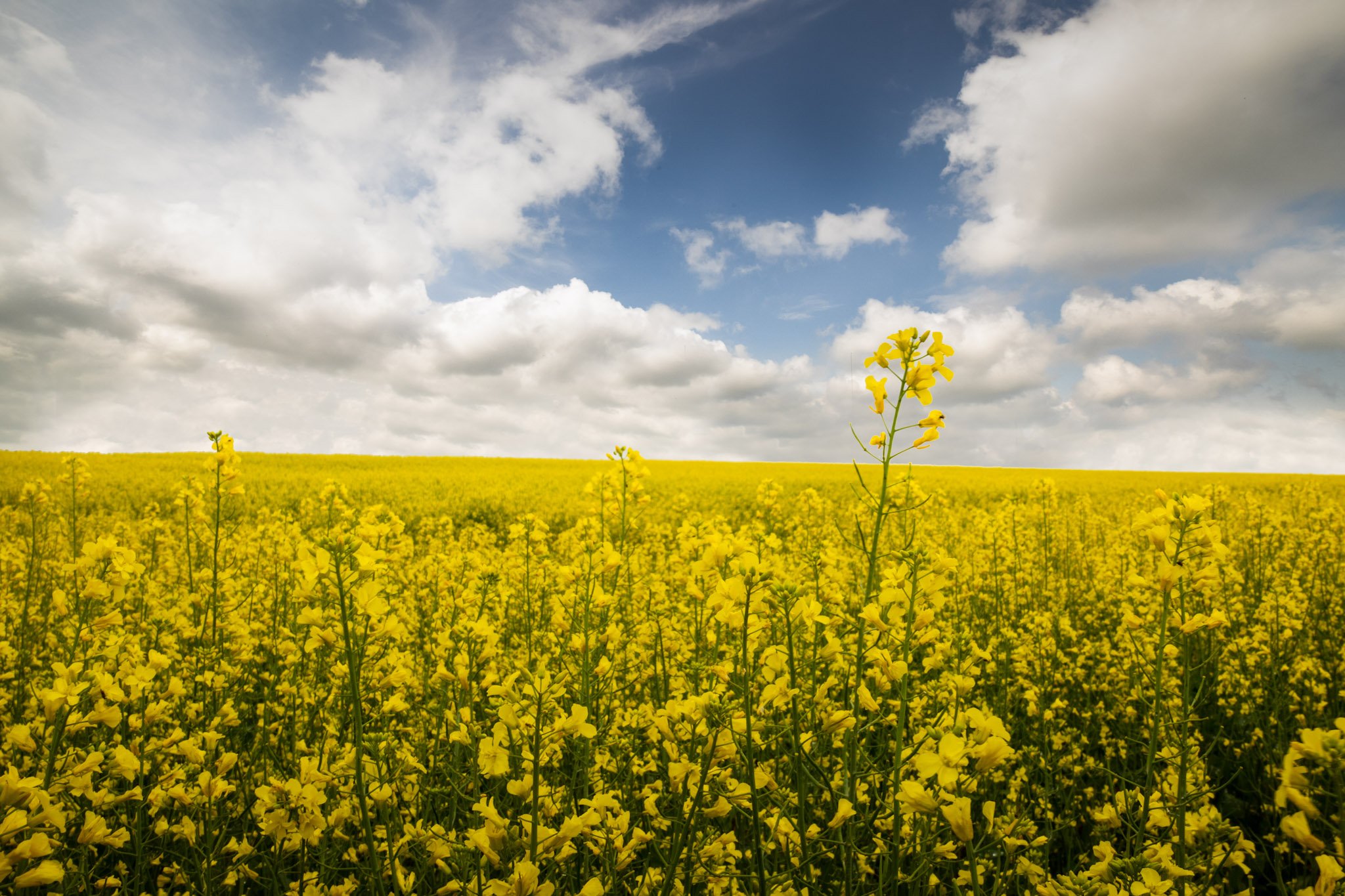
In a world dominated by political and religious power struggles, Jesus announces a new reality:
God’s kingdom appears where no one is looking.
It grows among the overlooked, the powerless, the poor.
It spreads not through dominance, but through compassion.
While the powerful fixate on securing their positions, the kingdom is quietly taking over the field. The hungry are fed. The lonely find belonging. Communities change through small, Spirit-led acts of love. Hospitals rise. Orphanages open. Entire neighbourhoods are reshaped—seed by seed.
The kingdom that grows is nothing like the kingdoms of earth with their hierarchies and power plays.
It is everything like a wheat field overtaking barren ground because that is what wheat does—it grows.
So what does this mean for us today?
Regardless of where we live, the church in the West has enjoyed wealth, status, and influence for generations. None of that is inherently wrong. But it is not the shape of the kingdom Jesus describes. Human nature hasn’t changed much in two millennia: we still gravitate toward two groups—those with power and those without. Those striving to protect their influence and those convinced that gaining influence will fix everything.
But Jesus insists that His kingdom grows outside those categories entirely.
It grows in hearts made humble.
It grows wherever people have ears to hear.
It grows wherever the Spirit finds willing soil.
And it leaves each of us with just one question:
Do we want to participate in His kingdom—or build our own?
Because, as Jesus reminds us,
“you cannot serve both God and mammon.”
