Cracked Light
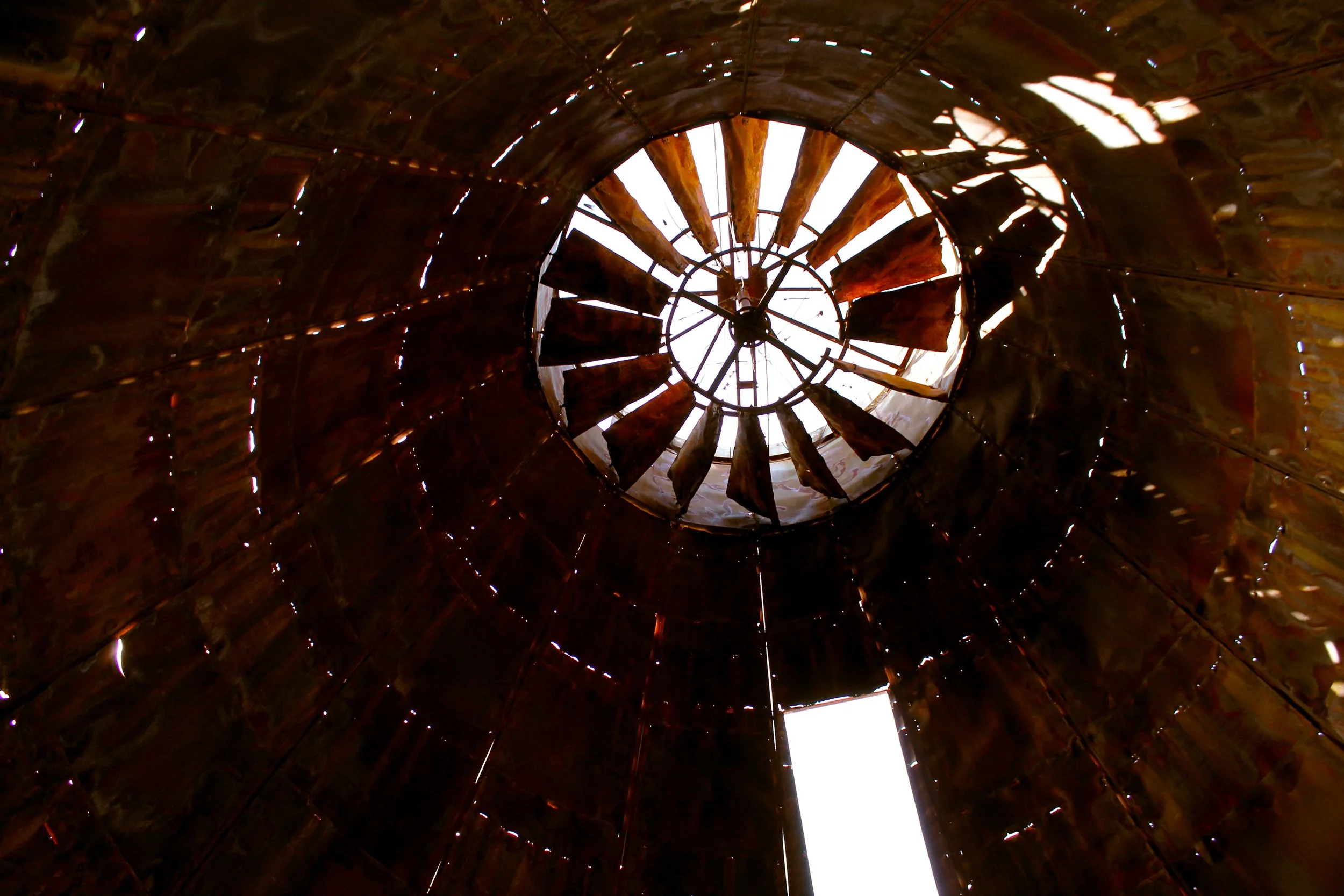
Everyone is weird. The only “normal” people in this world are the ones you don’t know yet. Get close enough, and you’ll find quirks, contradictions, and coping strategies that most people close off from others.
Social media personalities throw around clinical words like ADHD, narcissism, and PTSD as if they were nicknames. Some of those labels name real, serious conditions and deserve careful diagnosis and compassionate care. But when we use them loosely, we end up reducing people we barely know—and sometimes ourselves—to caricatures.
Gábor Maté, in The Myth of Normal, talks about the etymology of the word trauma, which is a Greek word that quite literally means wound—nothing more, nothing less. Wounding is simply part of being human. None of us gets through life unscathed, and our wounds start telling us stories about the world. If you were bullied as a child, you may have learned that the world is unsafe, so self-reliance becomes your highest good. If you were ignored by those charged with loving you, you might over-function to make sure you’re never overlooked again.
Left unattended, wounds do one of two things: they stay raw and festering, and sting whenever touched, or they scar over and grow inflexible. Either way, our untreated wounds end up limiting our perspective. But the psalmist gives us another possibility: “He heals the brokenhearted and binds up their wounds” (Psalm 147:3). God doesn’t shame our wounds or demand we hide them. He binds them—tenderly, personally—so they can become places of redemption.
Paul uses a different image: “We have this treasure in jars of clay” (2 Corinthians 4:7). Clay jars are ordinary, fragile, and easily cracked. But place a candle inside a cracked jar and what happens? Light leaks everywhere. The very fissures we would rather conceal become the channels through which the light of God is seen. The point was never to display how pristine the jar is, but to show “that the surpassing power belongs to God and not to us” (2 Corinthians 4:7).
God’s invitation to me has been to trade diagnosing for noticing. Instead of deciding what’s “wrong” with the person in front of me (or with me), I can choose to be curious: Where might this reaction be coming from? What story did this person have to tell themselves to survive? How might God be binding something here, even now?
And maybe the practice this week is gentleness—toward our own weirdness and toward the weirdness of others. Gentleness doesn’t deny harm or excuse sin; it just refuses to weaponize wounds. It honors the Healer’s pace. It allows the Spirit to apply a healing salve on our places of deepest hurt.
If you sit quietly for a moment, you might even ask: Where are the cracks in my jar right now? What wound is still steering me? Where have I become rigid? What would it look like to let God into this place so that His light can begin to shine through it?
