Do Not Let Evil Steal Your Joy
How do we approach the suffering of others?
What do we make of senseless tragedy?
How does joy intersect with crisis?
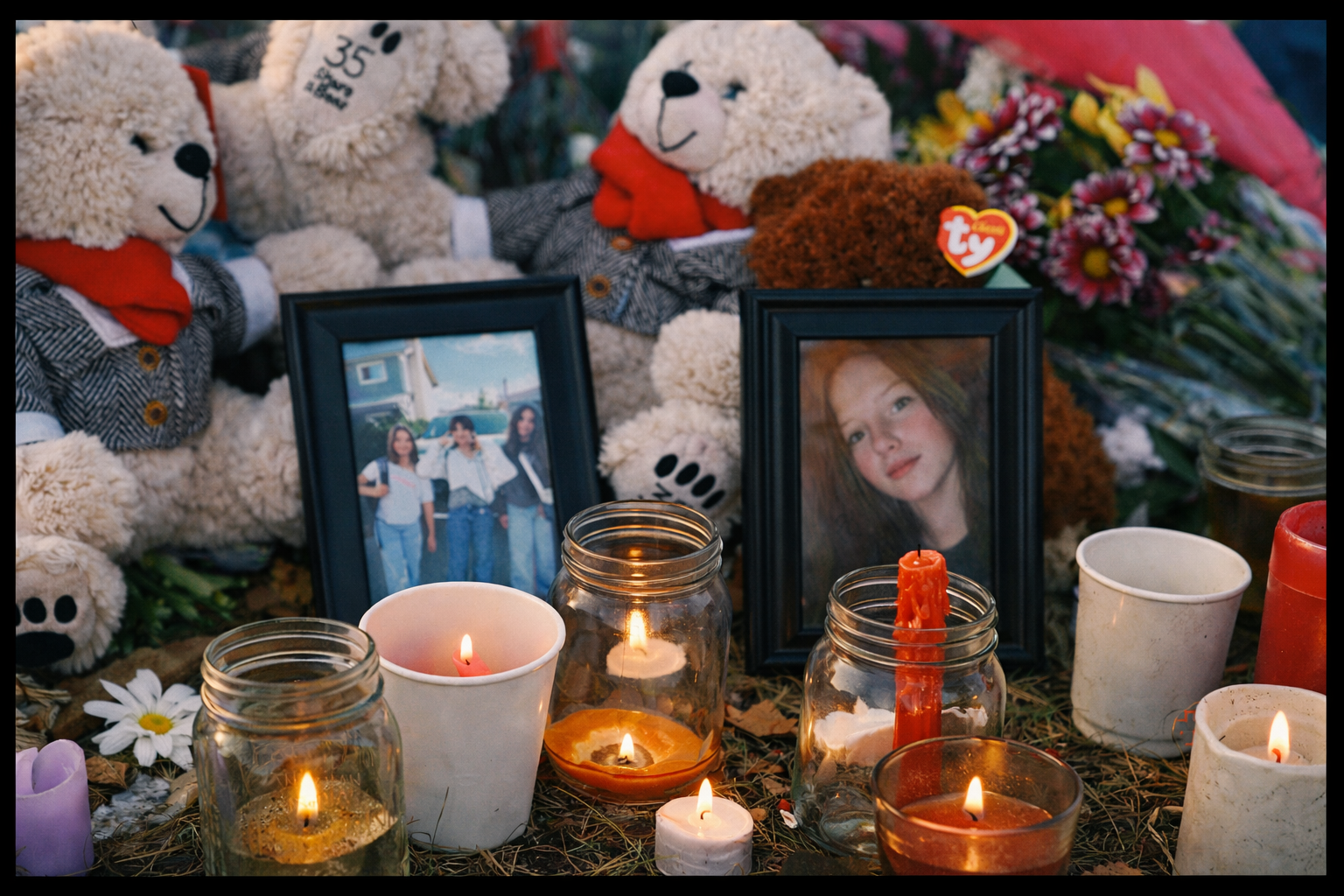
Last Wednesday afternoon I received a text message: there had been a mass shooting at a school in Northern BC. Children had been violently killed. Many were wounded.
We were deploying crisis chaplains from Calgary.
My body instantly switched back into crisis-response mode — a mode I knew instinctively after 18 years in the disaster industry.
Work the problem.
Focus on logistics.
Meet the need.
As the father of teenagers — and as someone who has buried the person closest to him — my mind went immediately to the parents of these children. Each child was expected home for supper. Now there is a permanently empty seat at the table.
This shooting was evil.
It was tragic.
It was senseless.
The community of Tumbler Ridge will never be the same. They will wrestle through shock, anger, blame, grief, and eventually some form of fragile new normal. This is their road to walk.
But what of the rest of us?
What of me?
How do I process evil that I am only tangentially connected to through my professional responsibilities?
As I debriefed my own feelings of powerlessness and despair to my closest friend, what she offered in return deeply unsettled me:
“Do not allow evil to steal your joy.”
It sounded almost inappropriate.
Shouldn’t I press into despair?
Shouldn’t I feel something heavier — something darker — in solidarity?
Don’t I have to be broken in order to minister to the broken?
This week my mind has been camping on the Biblical story of the paralytic lowered through the roof by his friends (Mark 2). What audacious faith. What determined love. They tore apart a roof because they believed Jesus could heal.
And when the man finally lay before Him, Jesus said something truly unexpected:
“Your sins are forgiven.”
He addressed identity before infirmity.
Belonging before biology.
Worth before walking.
Only when the crowd demanded proof did Jesus heal the man’s legs.
The deepest tragedy was never paralysis. It was separation. Shame. Loneliness. Disconnection from God and community.
And that is where Jesus began.
Tragedy is part of the human condition. As long as we share the world with other broken humans, there will be violence, sickness, and loss. We will always be one accident, one diagnosis, one decision away from life-altering pain.
But Jesus shows us something critical:
Evil does not get the final word over identity.
When shame accompanies trauma — as it so often does — Jesus speaks first to worth.
When despair whispers that life is meaningless — Jesus speaks belonging.
When chaos threatens to undo us — Jesus anchors us in who we are.
“You are forgiven.”
“You are mine.”
“You have value.”
There is always space for lament. Scripture is full of it. The world we inhabit is far from God’s original design, and grief is appropriate.
But lament is not surrender.
We do not allow evil to steal what God has declared over us — our identity, our worth, our conscience, and yes… even our joy.
Joy in crisis is not denial.
It is defiance.
It is the quiet refusal to let darkness define what God has redeemed.
And perhaps that is one of the most faithful acts available to us in a brutal world.
