Eat, Pray, Learn
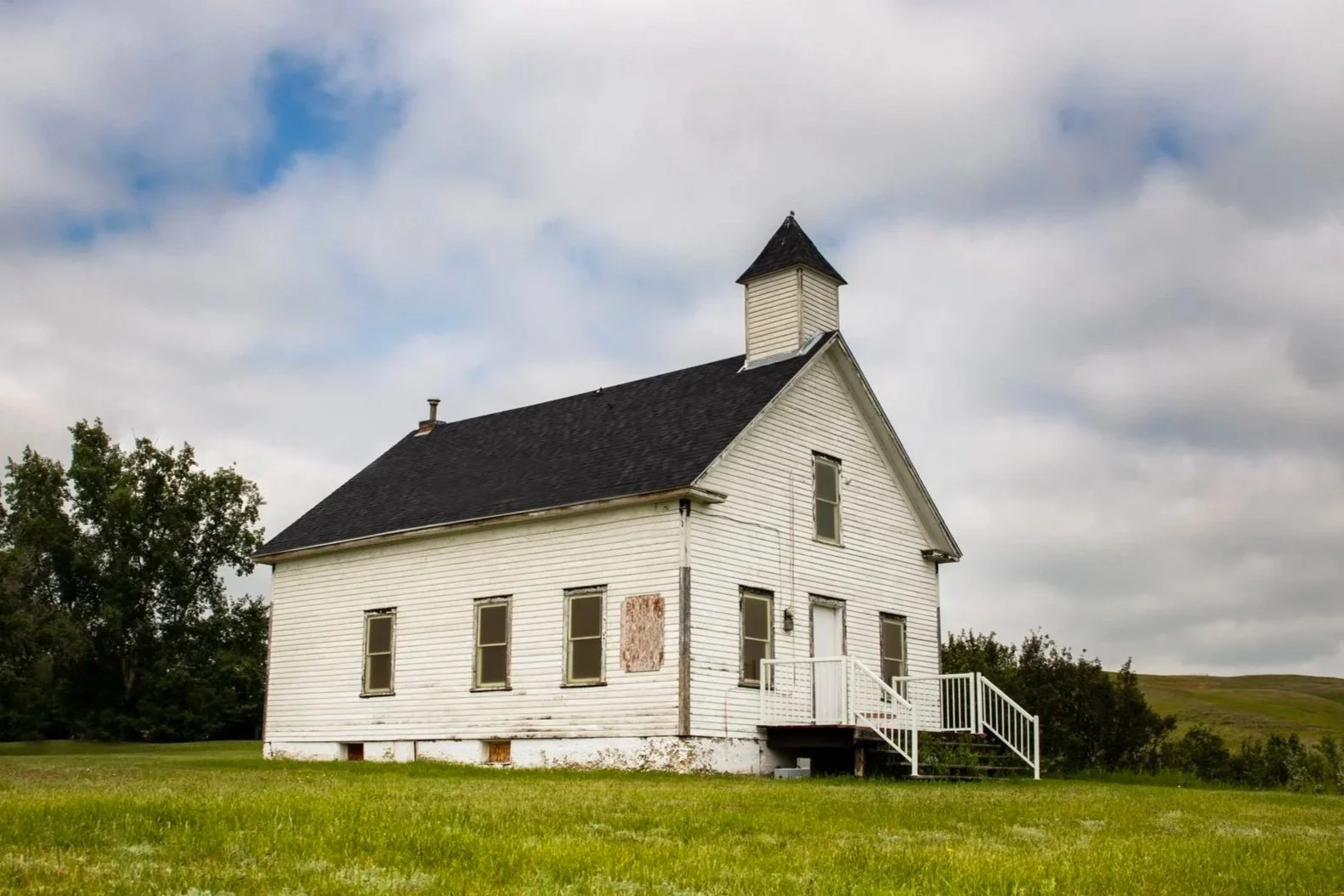
I’ll be the first to admit that I carry deep scars from my years in church ministry. After leaving the pulpit, I stayed away from church for a long time. It was almost like a PTSD response to the Bride of Christ—which, in turn, produced its own kind of shame.
Anyone who has spent time in church-world will understand the great irony of God’s choice to use the Church as His primary vehicle for reconciliation. We are not an ideal group of people—not by a long shot. We are broken, burdened, shameful, self-protective, egotistical, and impatient. Even our best work shows serious cracks when examined closely.
And yet, God chooses us.
That’s why Luke’s account of the early believers sounds so idealistic and yet so compelling. Three thousand new followers of Christ gathered around a few simple rhythms: learning together, eating together, and praying together. Simple enough, right? But in that simplicity, there was incredible power—signs and wonders, radical generosity, daily growth of the Church.
God was present in the simplicity of His people gathering in His name.
That promise of presence—of God dwelling among His people—is what enabled the early church to stand back-to-back when Rome tried to stamp out the early flames of Christianity. The epistles echo a single, urgent call to the young believers: remember that you are here for each other.
“Bear one another’s burdens,” Paul wrote to the Galatians. Create space for mistakes, for brokenness, for shame, for vulnerability—because that’s where the real strength of the Church lives.
What has compelled people to the Church throughout the centuries is not performance or perfection. It’s Christ’s call to acceptance, mercy, and unity. A smoke machine might get them in the door, but only radical togetherness will change their hearts.
Jesus said to the man who denied Him three times, “On this rock I will build my Church.” Perhaps if Peter had only denied Christ twice, he might have been too holy for the rest of us to follow after. The Church was built on brokenness and guaranteed by Christ Himself. “The gates of hell shall not prevail against it.”
If the success of this fragile institution depended on the men and women inside it, it would have vanished long ago—perhaps before it ever began. But Christ sustains His Bride. And somehow, He makes her beautiful, even though she is made up of broken and hurting people.
I spent a long time licking my church wounds—many of which were more a result of my own brokenness than anyone else’s malice. And yet, most of my healing came in the company of other wounded believers, under the gentle light of vulnerability.
Life is hard enough on its own. But there is something profoundly redemptive—something beautiful, compelling, and wonderfully simple—about sharing it together.
Just eating, praying, and learning.
